April 6, 2026
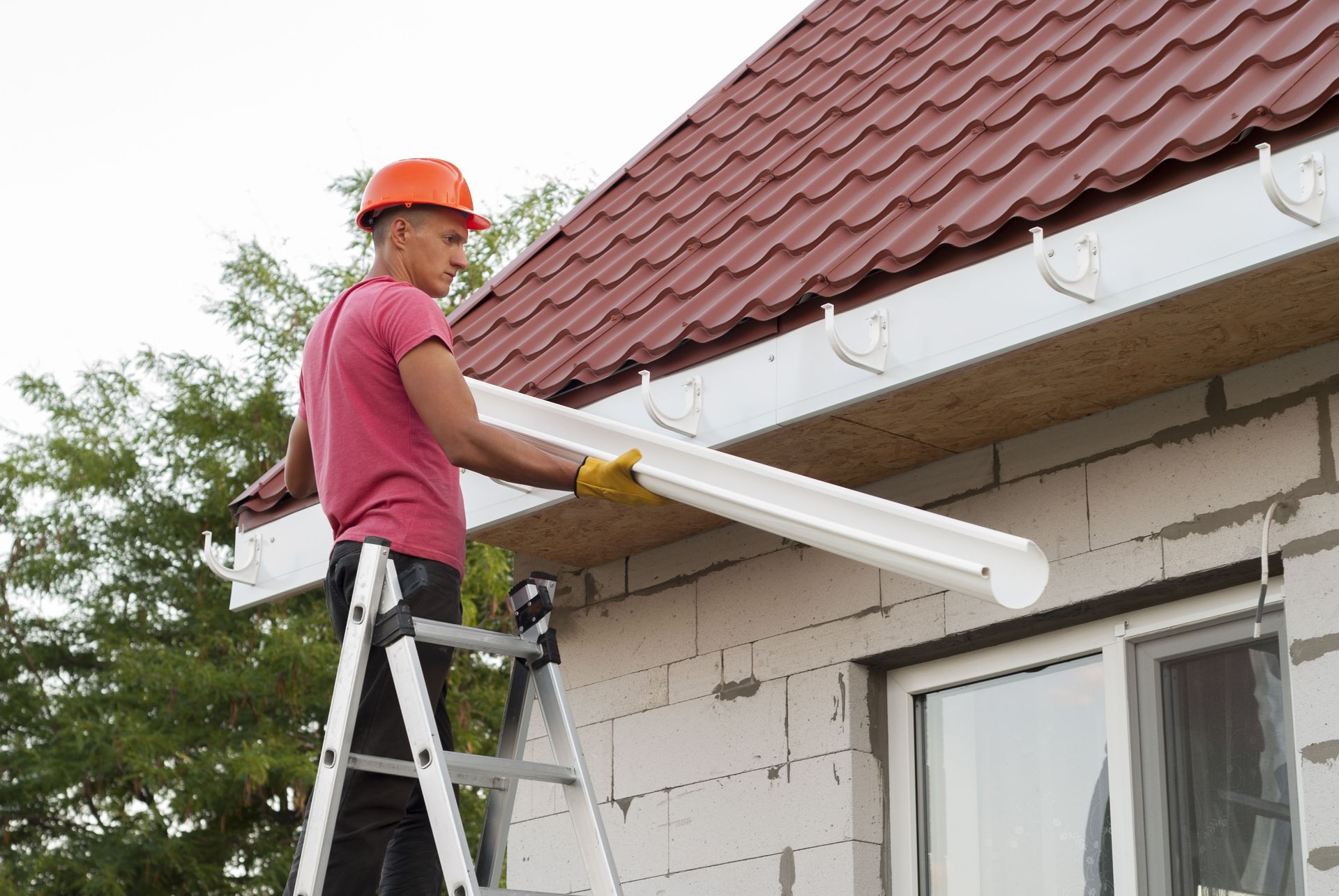
Gutters play an essential role in maintaining the structural integrity and aesthetic appeal of your home. They are designed to control the flow of rainwater from the roof, directing it away from the home's foundation. Properly installed gutters bridge the gap between effective water management and aesthetic appeal, ensuring the longevity of both your roof and your home's foundation. Efficient functioning of gutters not only prevents potential repair costs but also ensures that landscaping and basements remain unaffected by water damage. By understanding how gutters protect your home, you can appreciate the value of a professional gutter installer and feel confident in your investment.
Understanding the Role of Gutters in Home Protection
Water damage is one of the most significant threats to a home's structural integrity. Proper gutter installation ensures that rainwater is effectively channeled away from the roof and the home's foundation. By controlling rainwater flow, gutters prevent water from seeping into the roof and walls, which can lead to mold growth and rot. Over time, water damage can weaken the structural components of a home, leading to costly repairs. Well-installed gutters protect against these risks by providing an efficient water drainage system.
Without gutters, rainwater can accumulate on the roof and seep into the building materials. This seepage increases the risk of damage to the fascia, soffits, and shingles. It can also cause paint to peel and wood to rot, compromising the home's exterior appearance. By channeling water away, gutters minimize the potential for moisture damage to your home's architectural elements. Preventing this with the help of a professional gutter installer is crucial for maintaining the home's structural strength and visual appeal.
The structural integrity of a home is heavily dependent on the condition of its roof and foundation. Gutters play a critical role in preserving this integrity by preventing water intrusion that could compromise these elements. Well-maintained gutters reduce the risk of roof leaks and maintain the structural soundness of shingles and underlayment. By diverting rainwater away, gutters help maintain the moisture balance of the foundation soil, reducing the risk of foundation settlement and damage. Thus, gutters contribute to both the immediate protection and long-term durability of a residence.
If water is not properly managed, it can pool near the home's base, leading to soil erosion and foundation problems. A compromised foundation can display signs such as cracking walls, misaligned doors and windows, and uneven floors. Such issues not only threaten the structural integrity of the building but also decrease its overall value. Gutters mitigate this risk by ensuring water is directed safely away from these critical components. In doing so, they uphold the structural stability and market value of the home.
Understanding The Process of Proper Gutter Installation
Choosing the right material is a foundational step in effective gutter installation. Different materials offer varying levels of durability, maintenance requirements, and aesthetic appeal. Aluminum gutters, for instance, are widely used due to their resistance to corrosion and versatility in style. According to Home Advisor, aluminum gutters can last up to 30 years, making them an excellent long-term investment. Selecting a suitable material depends on factors like climate conditions, budget constraints, and the specific needs of your home.
The choice of gutter material also affects installation complexity and ongoing maintenance. Materials like vinyl offer ease of installation and cost advantages but may not handle harsh weather as effectively as metals. Conversely, materials such as copper provide a luxurious appearance and exceptional durability but at a higher cost and greater installation complexity. Each material comes with pros and cons that must be balanced with the home's specific requirements and the homeowner's preferences. It's always a good idea to speak with your gutter installer and consider your available options when making your decision.
Effective water drainage is contingent on correct gutter slope. The slope, or pitch, ensures water is directed toward downspouts and away from the roof and home efficiently. Insufficient slope can lead to pooling within the gutter, leading to overflow and potential water damage. Conversely, too steep a slope can detract from the home's aesthetic and lead to inefficient downspout drainage. Achieving the correct gradient requires precise measurement and adjustment during installation.
In general, gutters should slope approximately one-quarter inch for every 10 feet of gutter length. This measurement ensures gravity-assisted drainage to avoid stagnation and leakages. Professional installers often utilize specialized tools to measure and secure the correct pitch, which is critical to an effective gutter system. Neglecting to set the proper slope can result in both functional and aesthetic gutter system failures. Correct slope installation protects against water clogging, leakages, and gutter damage, ensuring longevity and performance.
Avoiding Common Mistakes in Gutter Installation
Choosing the wrong gutter size is a common mistake that can greatly affect the performance of a gutter system. Oversized gutters may detract from the home's appearance and can be unnecessarily costly. Conversely, undersized gutters are unable to handle heavy rain events, leading to overflow and potential water damage. Ensuring the correct size depends on the roof's square footage, slope, and average rainfall in the area. A professional gutter installer can calculate the optimal gutter size to prevent overflow and maintain an elegant exterior appearance.
Incorrect sizing compromises the gutter system's ability to manage water effectively. When gutters are too small, they can easily overfill and spill over, causing damage to the home's siding, foundation, and landscaping. This overflow can lead to significant repair costs that could have been avoided with correctly sized gutters. Correct sizing also maximizes the system's lifespan by avoiding unnecessary wear and tear. By selecting the appropriate gutter size, homeowners can ensure efficient water management and reduce potential repair liabilities.
Consulting with professionals can help avoid the pitfalls of incorrect sizing. Experts assess local climate conditions and tailor gutter specifications to meet specific rainwater management needs. They can provide options that balance functionality with aesthetic compatibility for the home. Professional input ensures that the right gutter size also aligns with the homeowner's budget and stylistic preferences. This guidance is key to ensuring a high-performing and durable gutter system installation.
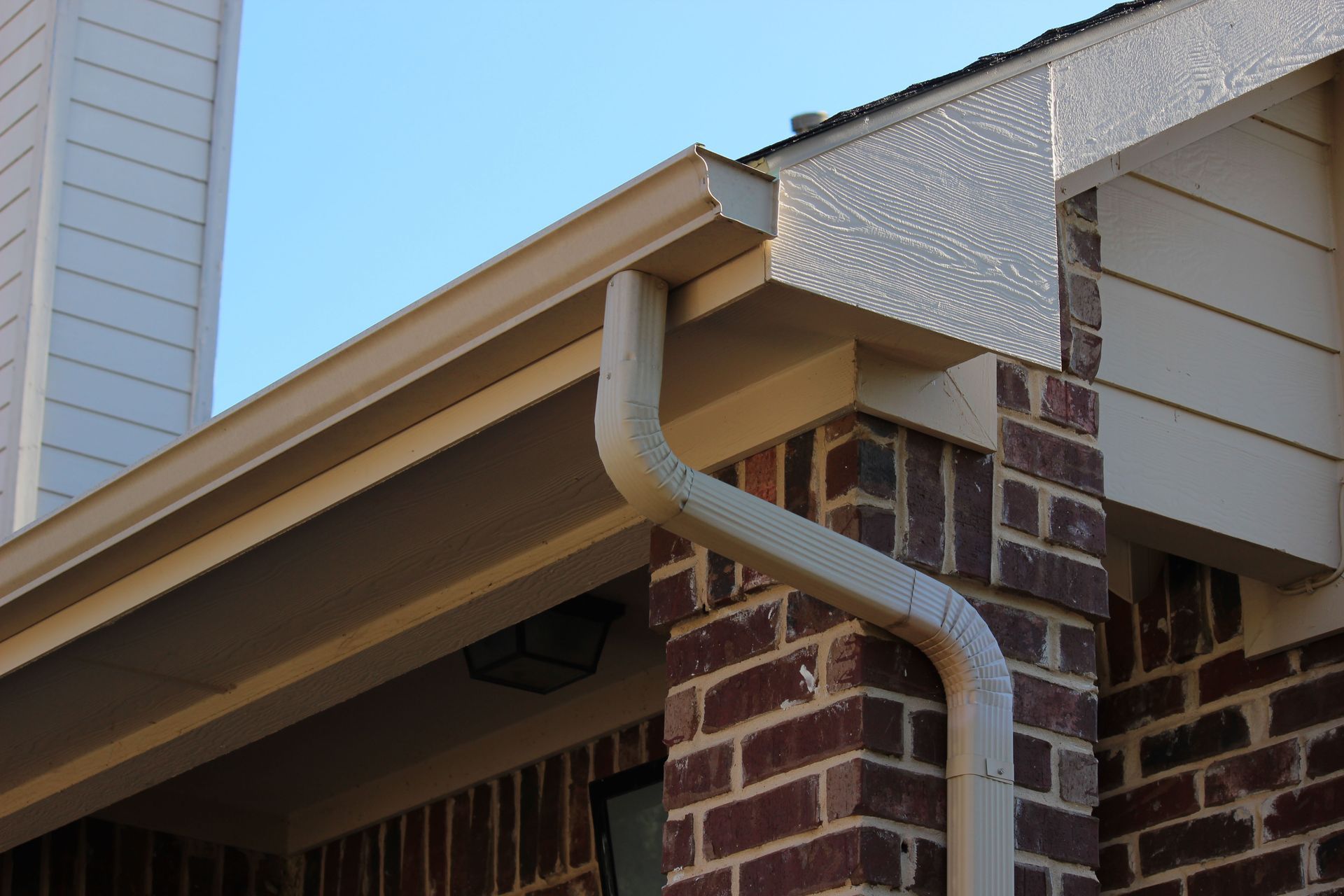
Downspout placement is critical to a gutter system's performance, yet is often overlooked during installation. Placing downspouts too far apart can lead to gutter overflow during heavy rainfalls. If they are placed inappropriately near landscaping or walkways, they may cause water pooling and soil erosion. Properly placed downspouts ensure water is efficiently channeled away from the roof and foundation to prevent potential water damage. Strategic placement involves positioning downspouts where water can safely disperse without causing damage or inconvenience.
When downspouts are incorrectly placed, the risk of soil erosion and foundation damage increases significantly. Water accumulation near the house can seep into basements, leading to structural compromise and mold growth. Thoughtful downspout placement contributes to effective water management by ensuring that runoff is directed away from sensitive areas. It minimizes the chance of water-related issues and potential health risks associated with water ingress. Proper downspout installation is thus as crucial as the gutters themselves in maintaining home integrity.
Proper gutter installation plays a vital role in safeguarding your roof, foundation, and overall home structure from costly water damage. By ensuring water is directed away efficiently, a skilled
gutter installer helps prevent issues like leaks, erosion, and mold growth. Investing in quality installation today can save you significant time and expense in the future. If you are ready to protect your home with reliable solutions, contact JD Metal Roofing today to schedule your consultation and get started.