November 6, 2026
Every house relies on a dependable drainage network to steer rainfall safely away from the roofline, siding, and foundation. When components operate properly, precipitation flows smoothly through channels and downspouts, protecting the surrounding landscaping and structural framing from excess moisture. Unfortunately, exposure to seasonal storms, shifting temperatures, and falling organic debris can steadily wear down these essential pathways, leading to functional complications that compromise your entire exterior envelope.
Recognizing early warnings of structural breakdown allows property owners to resolve small troubles before escalating into costly headaches. A timely gutter repair can prevent moisture from seeping into exterior walls, rotting wooden fascia boards, or eroding ground soil around the basement walls.
Regular inspections remain central to effective home preservation, ensuring that channels stay free of leaves and sediment throughout seasonal shifts. According to The Spruce, homeowners should prioritize cleaning gutters twice a year—once in the spring and once in the fall. Adhering to this dedicated routine ensures that owners spot developing problems early, maintaining clear conduits that direct rainfall safely away from fragile architectural features.
Identifying Visible Sagging and Separation
One of the most apparent indicators of drainage failure is physical sagging or pitching away from the roof edge. When channels pull loose, fasteners have either corroded or ripped free from the underlying fascia boards under heavy strain. Over time, standing pools of water and trapped pine needles create excessive physical burden, stretching brackets beyond their normal limits. Once alignment falters, runoff cannot reach the downspouts naturally, gathering in low bends where weight multiplies.
Addressing this issue promptly with gutter repair prevents sudden structural detachment during intense storms. When brackets lose their grip, the entire metallic run can tear away from the building, damaging the roof edge and threatening anything situated below. Professional technicians replace damaged fasteners, reinforce weak support clips, and restore proper downward slope so rainwater travels smoothly toward collection basins without lingering in stalled depressions along the roof perimeter.
Neglecting visible separation also exposes vulnerable fascia boards to constant moisture saturation. Wet wood naturally softens, inviting decay and pest activity directly behind the metal channels. Once structural rot takes hold inside the eaves, simple reattachment becomes impossible without replacing extensive lengths of supporting carpentry. Detecting slight gaps between channel backs and exterior trim gives residents the chance to correct loose hardware before significant underlying decay develops.
Spotting Persistent Water Overflow
During intense rainstorms, observation offers direct clues about internal drainage health. Water should never cascade over outer rim edges like an indoor curtain or mini waterfall. Overflow indicates that an obstruction is blocking forward momentum or that the interior slope has flattened completely. When rainfall escapes over the sides, it drenches adjacent siding, windows, and exterior entryways rather than flowing harmlessly toward perimeter grounds.
If routine debris removal does not eliminate repeated spilling, homeowners usually require professional gutter repair to adjust pitch angles or increase drainage capacity. Bent metal seams or improper initial slope can hinder fluid dynamics, forcing even moderate precipitation to pool and back up rapidly. Experts realign the pathway, eliminating hidden chokepoints and ensuring that high volumes of storm runoff drain away without spilling over exterior perimeters.
Overspill causes substantial harm below the roofline, especially when splashing repeatedly against siding panels, brickwork, and masonry mortar. Over time, persistent moisture washes away paint, encourages mildew growth, and erodes garden beds situated beneath the eaves. Correcting balance issues protects foundation borders, landscape installations, and pathway pavers from persistent trenching caused by constant overflow dripping from unchecked channel heights.
Detecting Rust, Cracking, and Splitting
Metal drainage components naturally experience wear from seasonal climate extremes, expanding during warm afternoons and contracting throughout frosty nights. This ongoing thermal movement places immense stress on joints, fasteners, and protective coatings, occasionally resulting in visible fractures or surface fissures. Small splits might seem minor during mild drizzles, but torrential cloudbursts will widen these openings, allowing water to escape directly toward the structural framework.
Rust development presents another serious warning that components are approaching the end of their operational durability. Oxidation flakes away protective galvanized coatings, gradually eating holes through the bottom floor of the channel runs. Scheduling targeted gutter repair allows specialists to patch minor holes, seal developing hairline cracks, and apply protective waterproof membranes before internal corrosion penetrates deeper across surrounding metal sections.
Ignoring localized corrosion guarantees that thin metal sheets will eventually split apart entirely under heavy stormwater pressure. Once rust spreads along underlying joints, structural integrity dissolves, rendering the network unable to support the weight of normal seasonal downpours.
Observing Damaged Fascia and Peeling Siding
Water running behind protective channels often leaves unmistakable damage along the building exterior long before homeowners notice dripping overhead. When joints separate or backs pull away from roof eaves, rainfall trickles backward against vertical fascia boards instead of traveling forward into downspouts.
Whenever you notice bubbling paint or discolored trim beneath the roofline, scheduling an inspection for gutter repair is an urgent necessity. Trapped water quickly turns solid wood into spongy decay, destabilizing the mounting surface required to hold drainage hangers securely in place.
Siding materials also deteriorate rapidly when subjected to regular moisture overflow from failed drainage hardware. Vinyl panels may loosen, while fiber cement or wood cladding can absorb moisture, leading to internal mold growth within wall cavities. Maintaining sealed, properly aligned water channels shields exterior wall systems from costly moisture intrusion, keeping interior living spaces dry, comfortable, and structurally secure through every passing storm system.
Noticing Soil Erosion and Foundation Pooling
A properly engineered drainage setup is fundamentally designed to protect the structural base of your residence. When downspouts or channels fail, water dumps directly alongside basement walls and perimeter footings rather than dispersing through safe discharge zones.
Persistent puddling against the lower exterior perimeter serves as a strong signal that gutter repair is urgently required. When heavy moisture saturates soil directly adjacent to foundation footings, water can seep through microscopic concrete fissures, generating damp basements, musty crawlspaces, and interior drywall cracks.
Landscape destruction represents another frustrating consequence of uncontrolled roof runoff cascading from broken joints. Valuable shrubs, decorative garden beds, and ornamental foliage can quickly become uprooted or drowned by heavy streams falling from damaged overhead channels.
Finding Detached Downspouts and Leaking Seams
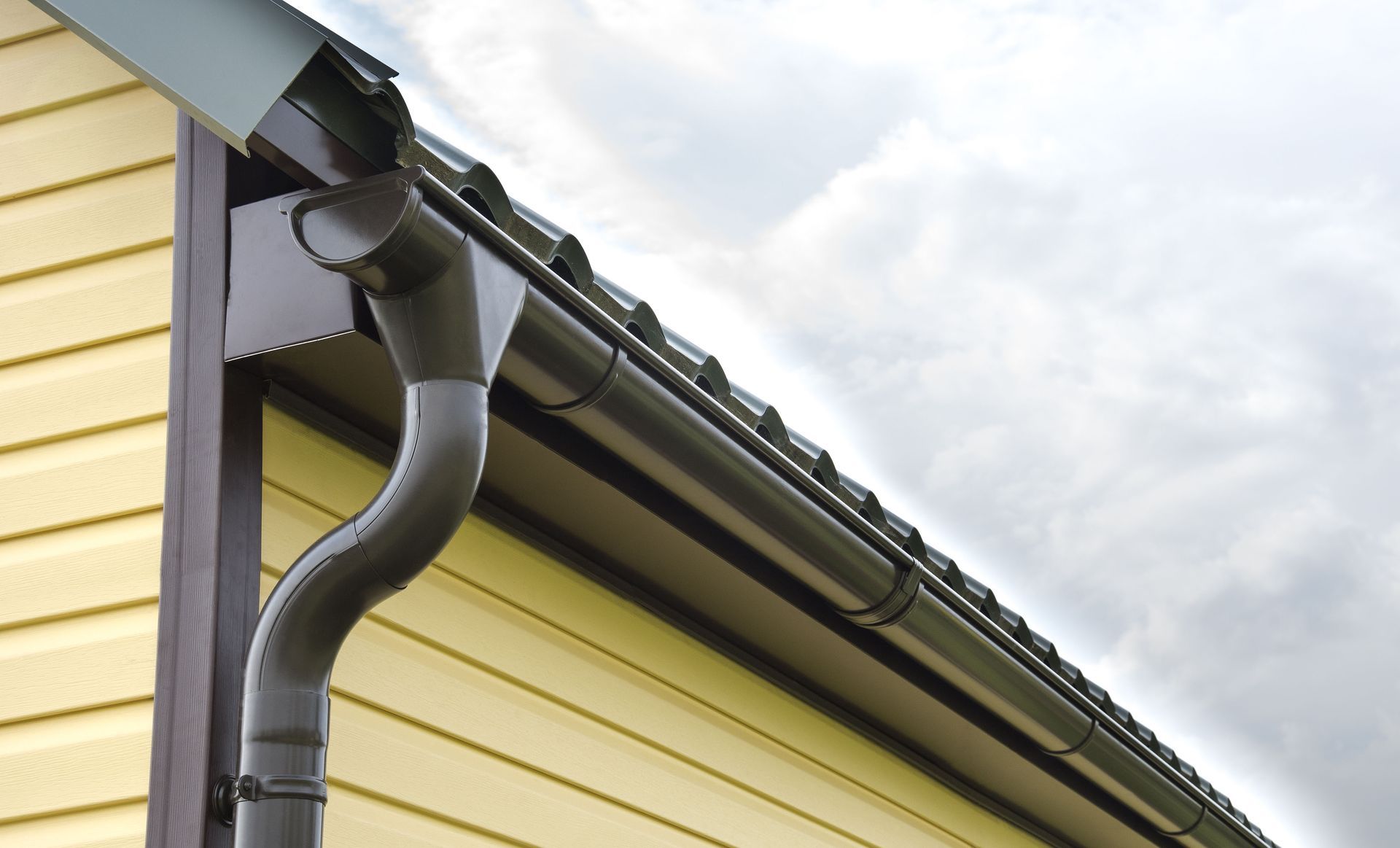
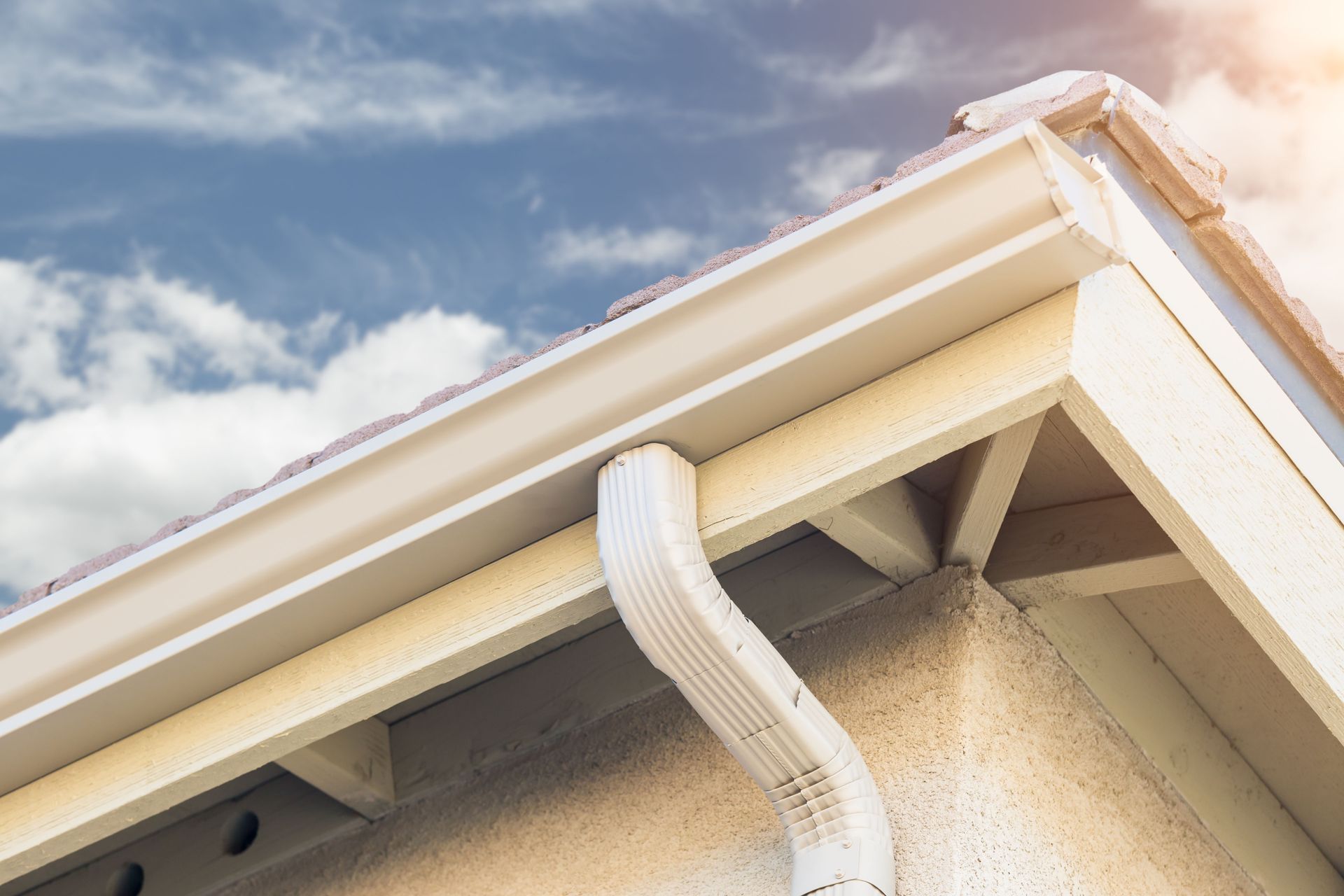
Downspouts serve as the vertical highways of any exterior drainage network, carrying collected storm runoff from high roof channels down to ground drainage basins. Because these vertical pipes endure strong water velocity and occasional impacts from yard equipment, their connecting elbows frequently pull loose or fracture.
Resealing fractured joints and securing detached pipes through timely gutter repair restores the complete hydrological circuit needed to safeguard property integrity. Over seasons of temperature fluctuations, silicone sealants at channel corners and end caps dry out, shrink, and crack, allowing moisture to drip continuously between sections.
Ensuring that every drop of moisture travels uninterrupted from roof edge to street drainage protects the longevity of your exterior envelope. Loose brackets, rattling pipes, and dripping corner miters are simple to resolve when tackled early, preventing larger mechanical breakdowns during sudden gale-force downpours.
Protect your residential investment against moisture intrusion and seasonal weather damage by partnering with seasoned exterior specialists. Reach out to JD Metal Roofing today to schedule a thorough inspection, restore peak drainage performance, and secure your roofline with lasting craftsmanship.