March 6, 2026
Your roof does more than simply cover your home. It protects your family, your belongings, and the structural integrity of the entire property. Because it works quietly in the background, it's easy to forget about it until something goes wrong. By the time visible damage appears, the underlying issue may have already been developing for months or even years. That’s why regular roof maintenance and periodic inspections are crucial to catching problems before they become costly surprises.
Knowing when to call a roofing contractor can help you prevent minor problems from turning into expensive repairs. Paying attention to early warning signs allows you to act quickly and protect your investment. If you notice any of the following issues, it may be time to schedule a professional inspection and address concerns before they escalate. Taking a proactive approach ensures your roof continues to perform efficiently and extends its lifespan for years to come.
1. You Notice Water Stains and Interior Leaks
One of the clearest signs you need to call a professional roofer is the intrusion of water inside your home. You might see brown or yellow stains forming on ceilings or walls. In some cases, paint may begin to bubble, or drywall may start to sag. These visual clues often indicate that moisture has penetrated your roofing system.
Leaks do not always appear directly below the source of the problem. Water can travel along beams and insulation before dripping into a visible area. This makes it difficult for homeowners to pinpoint the exact origin without professional assistance. Even a small stain can signal a larger issue above the ceiling.
According to RubyHome, about 33% of U.S. homeowners replace their roofs because of leaks. This statistic highlights how common and serious roof leaks can be. Ignoring early signs of water intrusion can lead to widespread damage that ultimately requires full roof replacement rather than a simpler repair.
Moisture inside the home can also encourage mold growth and compromise indoor air quality. Over time, water exposure can weaken wooden framing and insulation. Calling a roofing contractor at the first sign of staining or dripping water will reduce your chances of experiencing structural damage to protect your home’s interior.
2. You Find Missing, Curling, or Damaged Shingles
Your shingles act as the first line of defense against the elements. When they are intact and properly secured, they shed water and protect the layers beneath. If you begin to notice shingles that are cracked, curling at the edges, or completely missing, it may be time to contact a roofing contractor.
Curling shingles often indicate aging or prolonged exposure to heat and moisture. Over time, materials can dry out and lose their flexibility. Once shingles start to lift, they become more vulnerable to wind damage and allow water to seep underneath. This type of deterioration can also compromise your roof's insulation efficiency, leading to higher energy costs.
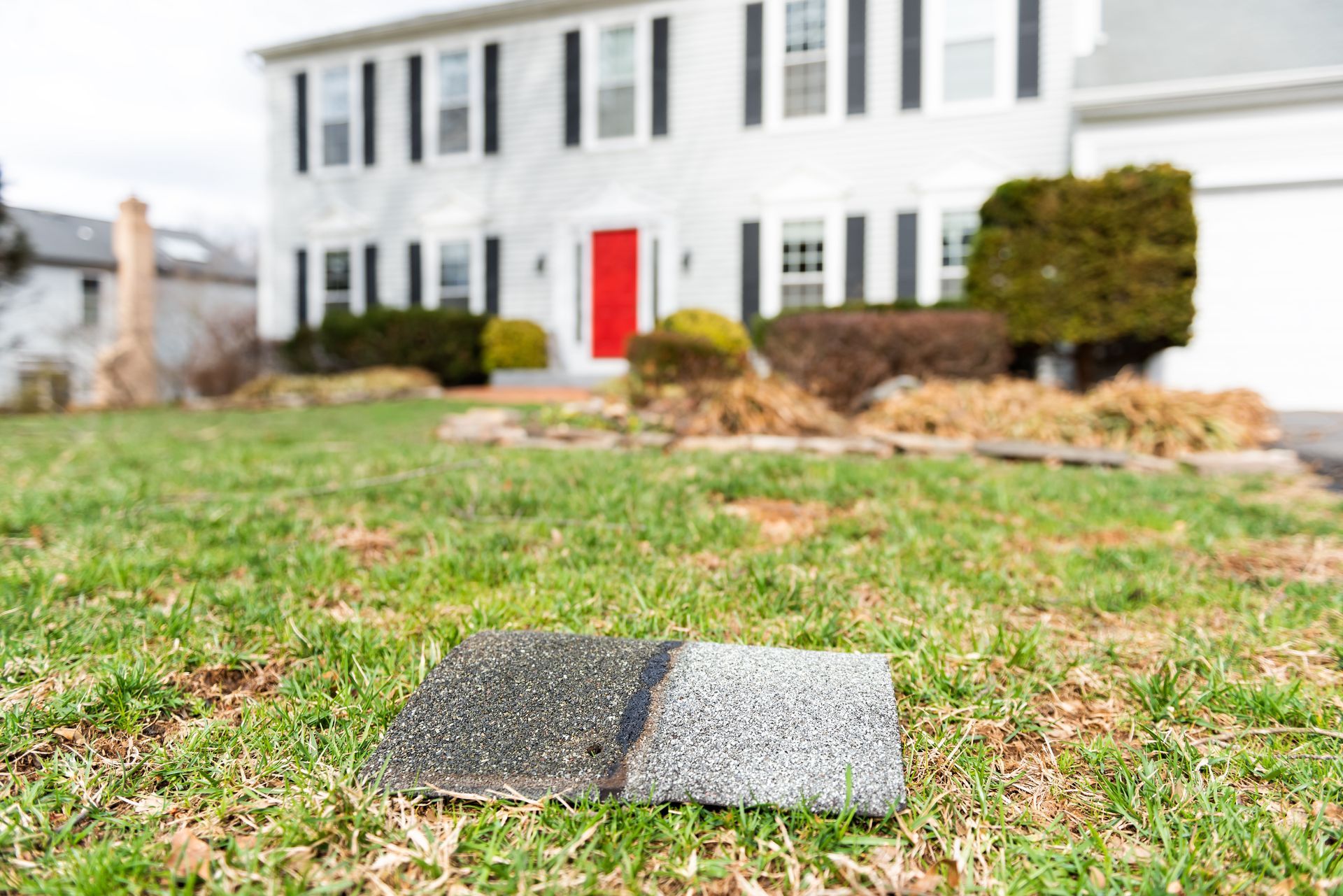
After strong storms, it's a good idea to inspect your roof from the ground. Look for pieces of shingles in your yard or check for uneven patches on the roofline. Even if only a few shingles appear damaged, the problem can spread quickly if left unaddressed. Prompt attention to these warning signs can help you avoid leaks and more extensive structural repairs down the road.
Damaged shingles expose the underlayment and decking to moisture and sunlight. This accelerates wear and increases the risk of leaks. A roofing contractor can assess whether a targeted repair is sufficient or if the overall condition of the roof suggests a larger replacement project. Investing in professional evaluation ensures that any repairs are handled correctly, protecting both your home and your peace of mind.
3. You See Sagging Areas or Structural Changes
A sagging roofline is a serious concern that should never be ignored. If you notice dips or uneven sections along the ridge or edges of your roof, this could signal structural problems beneath the surface. In many cases, sagging indicates that the decking or supporting framework has been compromised. Scheduling an immediate inspection can help determine the cause and prevent further structural damage.
Excessive moisture is often a contributing factor to structural weakness. When water infiltrates the roof and remains trapped, it can rot wooden components over time. This gradual deterioration may not be visible from the outside until the roofline begins to shift. Proper ventilation and timely roof repairs can go a long way in preventing this type of hidden damage.
In addition to visible sagging, you might observe doors and windows sticking or cracks forming in interior walls. While these issues can have multiple causes, they sometimes relate to changes in the structural balance of the home. A roofing contractor can inspect both the exterior and attic space to determine whether the roof is contributing to these problems.
Prompt action is essential when structural changes are involved. A sagging roof can worsen under the weight of rain or debris. Addressing the issue early helps prevent more extensive damage and reduces the risk of a partial collapse in extreme conditions. Early intervention safeguards both your home’s safety and your long-term repair budget.
4. You Spot Granules in Gutters and Signs of Aging
Asphalt shingles are coated with granules that help protect them from sun exposure and improve fire resistance. Over time, these granules can loosen and wash into your gutters. If you find an unusual amount of gritty material collecting in downspouts, it may be a sign that your roof is nearing the end of its lifespan.
Granule loss reduces the effectiveness of your shingles. Without adequate protection, the underlying material becomes more susceptible to cracking and deterioration. This process can happen gradually, making it easy to overlook until damage becomes more widespread.
The age of your roof is another important factor to consider. Even if you do not see obvious leaks or missing shingles, roofing materials have a limited service life. If your roof is approaching or has exceeded its expected lifespan, it may be wise to schedule an evaluation with a roofing contractor.
Other subtle signs of aging include faded shingles, dark streaks, or moss growth. While some discoloration may be cosmetic, it can also indicate moisture retention or material breakdown. A professional inspection provides clarity and helps you plan for repairs or replacement before unexpected issues arise.
Your roof is one of the most critical components of your home, yet it's often overlooked until a problem demands attention. Water stains, damaged shingles, sagging areas, and granule loss are all signs that something may be wrong. Recognizing these warning signals early can help you avoid costly repairs and protect the value of your property.
Calling a roofing company at the first sign of trouble allows you to address issues before they escalate. Whether you need a minor repair or a full replacement, professional guidance ensures the work is done safely and effectively. By staying proactive and responsive to changes in your roof’s condition, you can maintain a secure, comfortable home for years to come. Partnering with experienced professionals also gives you peace of mind knowing your roof is built to withstand the elements.
Protect your home from costly damage by addressing small roofing issues before they grow. Contact JD Metal Roofing today to schedule your inspection with an experienced roofing contractor.